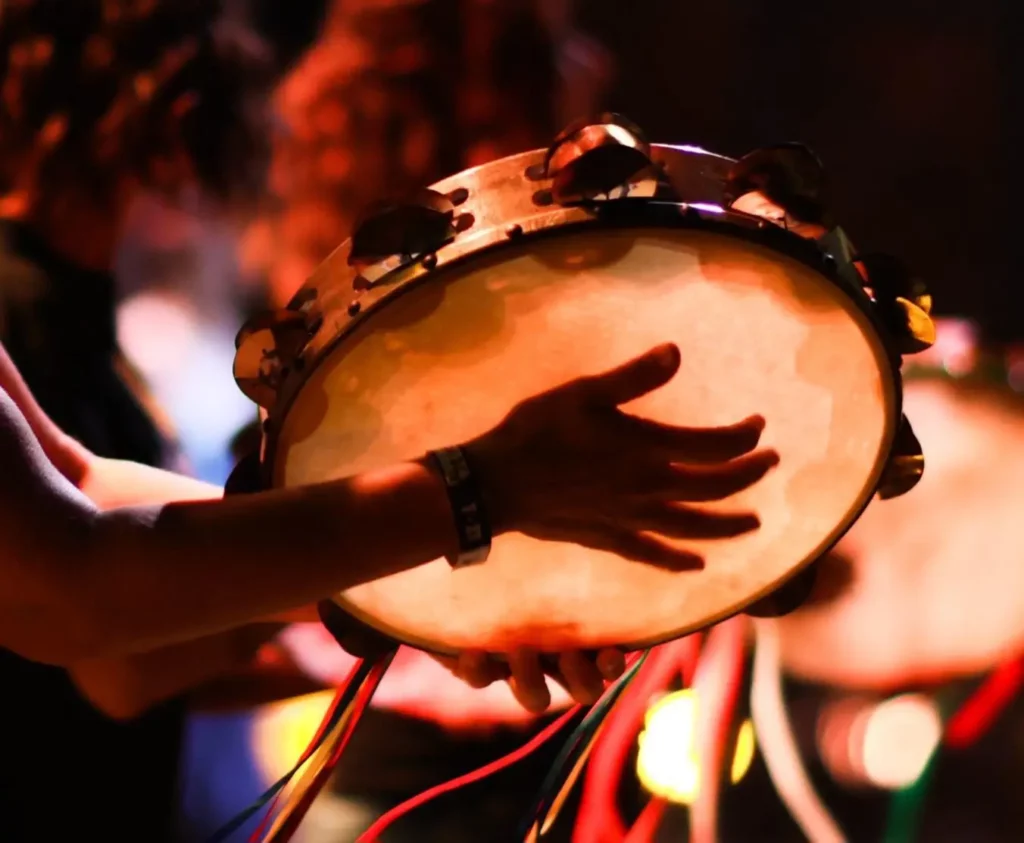
From July 30 to August 19, Salento once again comes alive with the La Notte della Taranta Traveling Festival, the annual event that brings the vibrant rhythms of pizzica to the squares of towns across the region’s inland villages.
The 2026 edition, titled “The Routes of the Mediterranean,” celebrates cultural encounters and musical exchange. Alongside the traditional sounds of Salento, the festival features performances inspired by Italy’s minority languages, the music of Aspromonte, Sicily and Sardinia, as well as Albanian and Moroccan musical traditions.
The festival’s artistic direction is led by Fabio Chiriatti and Renata Nemola, who have created a program spanning 20 municipalities. Rather than a series of isolated concerts, the festival is designed as a continuous journey from one village to the next, with most performances taking place in the evening, leaving visitors free to explore each destination at a relaxed pace during the day.
Festival Stops
Between late July and mid-August, the festival visits the following towns:
- Corigliano d’Otranto
- Zollino
- Calimera
- Carpignano Salentino
- Cursi
- Sogliano Cavour
- Nardò
- Alessano
- Galatone
- Cutrofiano
- Sternatia
- Melendugno
- Ugento
- Muro Leccese
- Martignano
- Lecce
- Soleto
- Galatina
- Castrignano de’ Greci
- Martano
The festival concludes with two major events:
- The Concertone in Melpignano, on Saturday, August 22, held in the square of the former Augustinian Convent. The concert features Ermal Meta as artistic director (maestro concertatore) and choreography by Fredy Franzutti.
- La Notte delle Ronde, on Sunday, August 23, in the historic center of Galatina, where musicians and dancers gather for a final celebration of Salento’s traditional music and culture.
What to Expect on Stage
The festival program brings together some of the most established names in Salento’s traditional music scene alongside exciting new projects.
Performers include the La Notte della Taranta Popular Orchestra, Antonio Castrignanò & Taranta Sounds, Giancarlo Paglialunga, Enza Pagliara, the Tarantarte Dance Company led by Maristella Martella, the Briganti di Terra d’Otranto, BandAdriatica, and many other artists who have spent years preserving and reinterpreting Salento’s musical heritage.
The festival also gives space to emerging talent. The opening event in Corigliano d’Otranto features the Sistema Musica Arnesano Community Orchestra, while projects selected through the Foundation’s Opera Prima initiative explore the historical connection between tarantism and the role of women in Salento’s traditions.
Innovation also plays an important role. Contemporary electronic music meets traditional folk through performances by Trevize, Kalàscima, Inude together with the Canzoniere Grecanico Salentino, and Bab L’Bluz, whose Moroccan-inspired sound blends traditional influences with modern electronic elements.
Getting Around the Festival
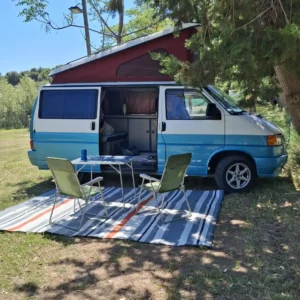
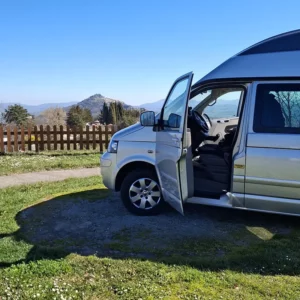
With 20 towns hosting events over three weeks, the Traveling Festival is perfectly suited to exploring by campervan. There’s no need to attend every concert—the beauty of the festival lies in creating your own itinerary.
Salento is a relatively compact region, and most festival locations are no more than 30–40 minutes apart by road. This makes it easy to combine evening performances with relaxing days at the beach or visits to the beautiful historic towns that host the events. Places such as Corigliano d’Otranto and Galatina are well worth exploring even outside the festival itself.
If you’re planning your campervan trip a few weeks in advance, consider building your itinerary around groups of nearby festival dates. This allows you to minimize driving while enjoying both the music and the unique character of each village at a leisurely pace.
The full 2026 Traveling Festival program is available on the official website of the La Notte della Taranta Foundation.
The gravine are one of those discoveries that completely change the way you see Puglia. With a campervan, you can explore them at your own pace, spend the night surrounded by nature, and wake up to the peaceful silence of the Murge.